Highlights of Antarctica
Cruise only — prices from Solo cruise only — from

Ports of Call & Itinerary
11-night voyage departing Buenos Aires, arriving Ushuaia.
Route Map
Highlights of Antarctica
8 ports plotted · click a marker for details
Day 1
Buenos Aires , Argentina
Friday, 30 Oct 2026
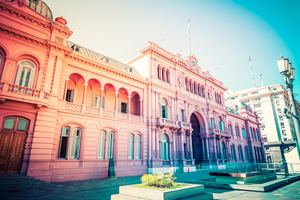
Glamorous and gritty, Buenos Aires is two cities in one. What makes Argentina's capital so fascinating is its dual heritage—part European, part Latin American. Plaza de Mayo resembles a grand square in Madrid, and the ornate Teatro Colón would not be out of place in Vienna. But you’ll know you’re in South America by the leather shoes for sale on cobbled streets and impromptu parades of triumphant soccer fans. Limited-production wines, juicy steaks, and ice cream in countless flavors are among the old-world imports the city has perfected.
Day 2
Ushuaia , Argentina
Saturday, 31 Oct 2026
At 55 degrees latitude south, Ushuaia (pronounced oo-swy-ah) is closer to the South Pole than to Argentina's northern border with Bolivia. It is the capital and tourism base for Tierra del Fuego, the island at the southernmost tip of Argentina.Although its stark physical beauty is striking, Tierra del Fuego's historical allure is based more on its mythical past than on rugged reality. The island was inhabited for 6,000 years by Yámana, Haush, Selk'nam, and Alakaluf Indians. But in 1902 Argentina, eager to populate Patagonia to bolster its territorial claims, moved to initiate an Ushuaian penal colony, establishing the permanent settlement of its most southern territories and, by implication, everything in between.When the prison closed in 1947, Ushuaia had a population of about 3,000, made up mainly of former inmates and prison staff. Today the Indians of Darwin's "missing link" theory are long gone—wiped out by diseases brought by settlers and by indifference to their plight—and the 60,000 residents of Ushuaia are hitching their star to tourism.The city rightly (if perhaps too loudly) promotes itself as the southernmost city in the world (Puerto Williams, a few miles south on the Chilean side of the Beagle Channel, is a small town). You can make your way to the tourism office to get your clichéd, but oh-so-necessary, "Southernmost City in the World" passport stamp. Ushuaia feels like a frontier boomtown, at heart still a rugged, weather-beaten fishing village, but exhibiting the frayed edges of a city that quadrupled in size in the '70s and '80s and just keeps growing. Unpaved portions of Ruta 3, the last stretch of the Pan-American Highway, which connects Alaska to Tierra del Fuego, are finally being paved. The summer months (December through March) draw more than 120,000 visitors, and dozens of cruise ships. The city is trying to extend those visits with events like March's Marathon at the End of the World and by increasing the gamut of winter activities buoyed by the excellent snow conditions.A terrific trail winds through the town up to the Martial Glacier, where a ski lift can help cut down a steep kilometer of your journey. The chaotic and contradictory urban landscape includes a handful of luxury hotels amid the concrete of public housing projects. Scores of "sled houses" (wooden shacks) sit precariously on upright piers, ready for speedy displacement to a different site. But there are also many small, picturesque homes with tiny, carefully tended gardens. Many of the newer homes are built in a Swiss-chalet style, reinforcing the idea that this is a town into which tourism has breathed new life. At the same time, the weather-worn pastel colors that dominate the town's landscape remind you that Ushuaia was once just a tiny fishing village, snuggled at the end of the Earth.As you stand on the banks of the Canal Beagle (Beagle Channel) near Ushuaia, the spirit of the farthest corner of the world takes hold. What stands out is the light: at sundown the landscape is cast in a subdued, sensual tone; everything feels closer, softer, and more human in dimension despite the vastness of the setting. The snowcapped mountains reflect the setting sun back onto a stream rolling into the channel, as nearby peaks echo their image—on a windless day—in the still waters.Above the city rise the last mountains of the Andean Cordillera, and just south and west of Ushuaia they finally vanish into the often-stormy sea. Snow whitens the peaks well into summer. Nature is the principal attraction here, with trekking, fishing, horseback riding, wildlife spotting, and sailing among the most rewarding activities, especially in the Parque Nacional Tierra del Fuego (Tierra del Fuego National Park).
Day 3
Drake Passage Seas
Sunday, 1 Nov 2026
Day 4
Drake Passage Seas
Monday, 2 Nov 2026
Day 5
South Shetland Islands , Antarctica
Tuesday, 3 Nov 2026
Some 770 kilometers (478 miles) south of Cape Horn, the South Shetland Islands are usually the first land seen in Antarctica. Separated from the Antarctic Peninsula by the Bransfield Strait, nine major islands make up the group. The region was the first to be exploited by sealers in the early 19th century, and because of its proximity to South America, it still is the most visited by scientists and tourists. Chinstrap, Adelie, Gentoo and Macaroni Penguins all breed here. In addition, because it is the warmest part of the continent, large moss beds as well as orange, black, grey and green lichens grow –even hair grass and pearlwort manage to survive. Leopard seals, Weddell seals, crabeater seals, Southern elephant seals and Antarctic fur seals can be seen in the water and on the beaches.
Day 6
South Shetland Islands , Antarctica
Wednesday, 4 Nov 2026
Some 770 kilometers (478 miles) south of Cape Horn, the South Shetland Islands are usually the first land seen in Antarctica. Separated from the Antarctic Peninsula by the Bransfield Strait, nine major islands make up the group. The region was the first to be exploited by sealers in the early 19th century, and because of its proximity to South America, it still is the most visited by scientists and tourists. Chinstrap, Adelie, Gentoo and Macaroni Penguins all breed here. In addition, because it is the warmest part of the continent, large moss beds as well as orange, black, grey and green lichens grow –even hair grass and pearlwort manage to survive. Leopard seals, Weddell seals, crabeater seals, Southern elephant seals and Antarctic fur seals can be seen in the water and on the beaches.
Day 7
Gerlache Strait , Antarctica
Thursday, 5 Nov 2026

Day 8
Gerlache Strait , Antarctica
Friday, 6 Nov 2026
Day 9
Gerlache Strait , Antarctica
Saturday, 7 Nov 2026
Day 10
Drake Passage Seas
Sunday, 8 Nov 2026
Day 11
Drake Passage Seas
Monday, 9 Nov 2026
Day 12
Ushuaia , Argentina
Tuesday, 10 Nov 2026
At 55 degrees latitude south, Ushuaia (pronounced oo-swy-ah) is closer to the South Pole than to Argentina's northern border with Bolivia. It is the capital and tourism base for Tierra del Fuego, the island at the southernmost tip of Argentina.Although its stark physical beauty is striking, Tierra del Fuego's historical allure is based more on its mythical past than on rugged reality. The island was inhabited for 6,000 years by Yámana, Haush, Selk'nam, and Alakaluf Indians. But in 1902 Argentina, eager to populate Patagonia to bolster its territorial claims, moved to initiate an Ushuaian penal colony, establishing the permanent settlement of its most southern territories and, by implication, everything in between.When the prison closed in 1947, Ushuaia had a population of about 3,000, made up mainly of former inmates and prison staff. Today the Indians of Darwin's "missing link" theory are long gone—wiped out by diseases brought by settlers and by indifference to their plight—and the 60,000 residents of Ushuaia are hitching their star to tourism.The city rightly (if perhaps too loudly) promotes itself as the southernmost city in the world (Puerto Williams, a few miles south on the Chilean side of the Beagle Channel, is a small town). You can make your way to the tourism office to get your clichéd, but oh-so-necessary, "Southernmost City in the World" passport stamp. Ushuaia feels like a frontier boomtown, at heart still a rugged, weather-beaten fishing village, but exhibiting the frayed edges of a city that quadrupled in size in the '70s and '80s and just keeps growing. Unpaved portions of Ruta 3, the last stretch of the Pan-American Highway, which connects Alaska to Tierra del Fuego, are finally being paved. The summer months (December through March) draw more than 120,000 visitors, and dozens of cruise ships. The city is trying to extend those visits with events like March's Marathon at the End of the World and by increasing the gamut of winter activities buoyed by the excellent snow conditions.A terrific trail winds through the town up to the Martial Glacier, where a ski lift can help cut down a steep kilometer of your journey. The chaotic and contradictory urban landscape includes a handful of luxury hotels amid the concrete of public housing projects. Scores of "sled houses" (wooden shacks) sit precariously on upright piers, ready for speedy displacement to a different site. But there are also many small, picturesque homes with tiny, carefully tended gardens. Many of the newer homes are built in a Swiss-chalet style, reinforcing the idea that this is a town into which tourism has breathed new life. At the same time, the weather-worn pastel colors that dominate the town's landscape remind you that Ushuaia was once just a tiny fishing village, snuggled at the end of the Earth.As you stand on the banks of the Canal Beagle (Beagle Channel) near Ushuaia, the spirit of the farthest corner of the world takes hold. What stands out is the light: at sundown the landscape is cast in a subdued, sensual tone; everything feels closer, softer, and more human in dimension despite the vastness of the setting. The snowcapped mountains reflect the setting sun back onto a stream rolling into the channel, as nearby peaks echo their image—on a windless day—in the still waters.Above the city rise the last mountains of the Andean Cordillera, and just south and west of Ushuaia they finally vanish into the often-stormy sea. Snow whitens the peaks well into summer. Nature is the principal attraction here, with trekking, fishing, horseback riding, wildlife spotting, and sailing among the most rewarding activities, especially in the Parque Nacional Tierra del Fuego (Tierra del Fuego National Park).
Room Type & Prices
All prices per person based on double occupancy. Solo traveller prices — single occupancy. Contact our cruise experts for the latest availability and best fares.
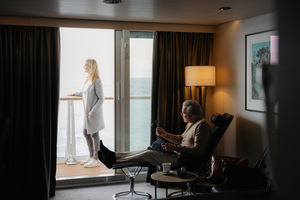
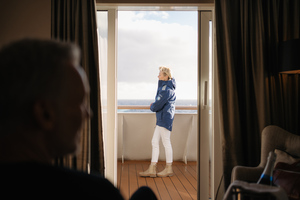


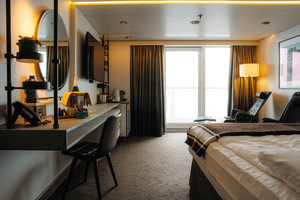
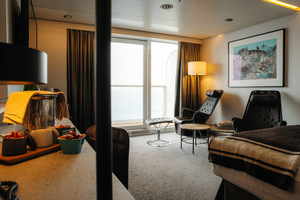
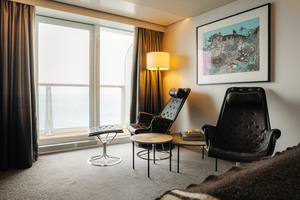
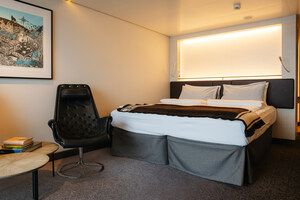

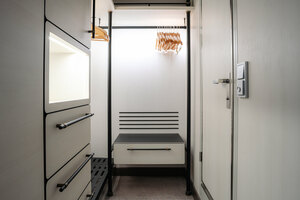
Expedition Suite | Suite - With balcony
236–301 sqft · Up to 4 guests
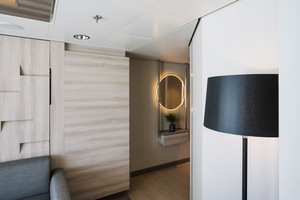
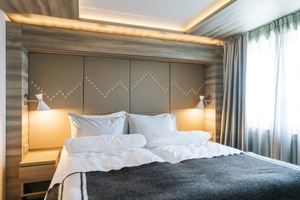
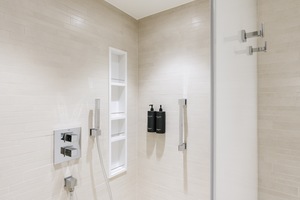
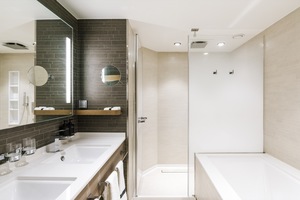
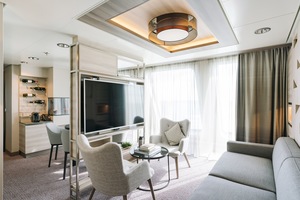
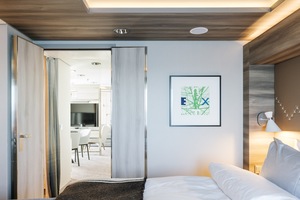
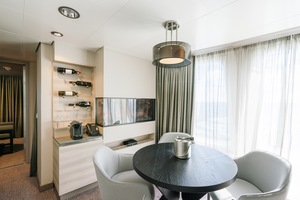
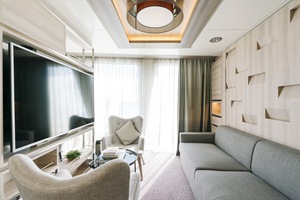
Expedition Suite | XL Suite
474 sqft · Up to 4 guests


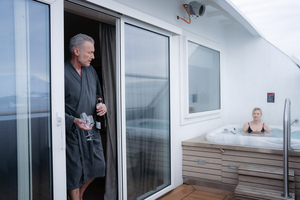
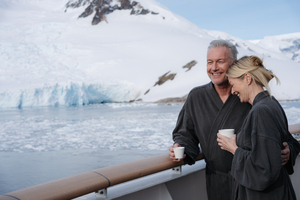
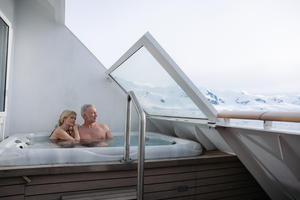
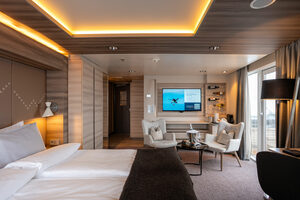
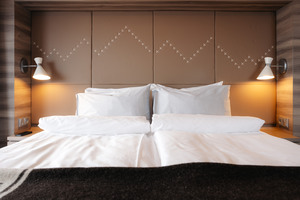
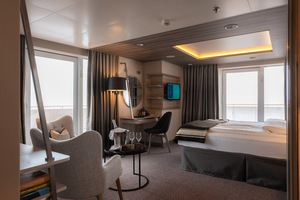
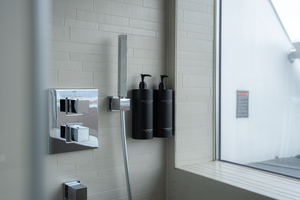
Expedition Suite | Corner Suite
215–322 sqft · Up to 2 guests



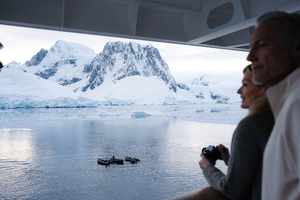
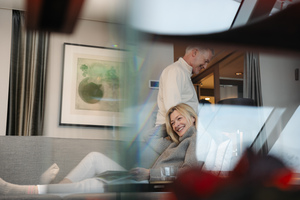
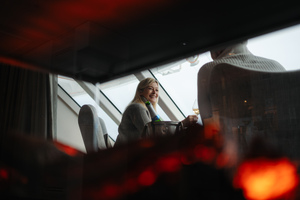
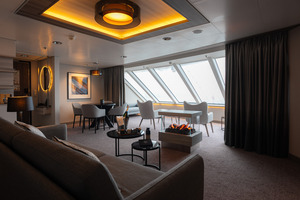
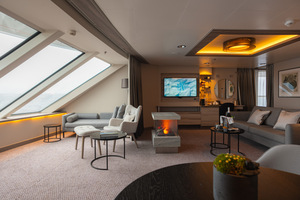
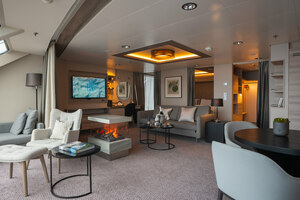
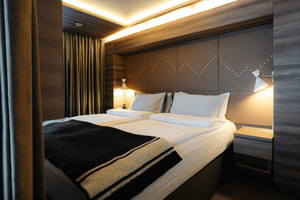
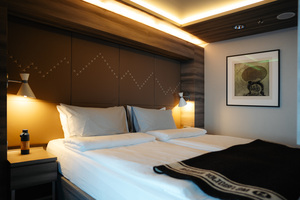


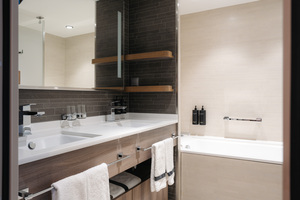

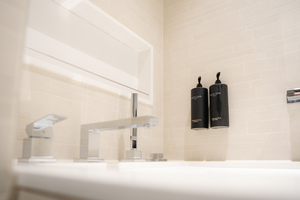
Expedition Suite | XL Suite - With balcony
495–516 sqft · Up to 4 guests
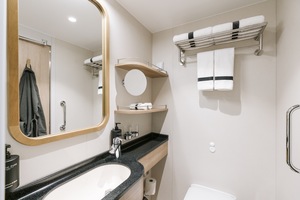
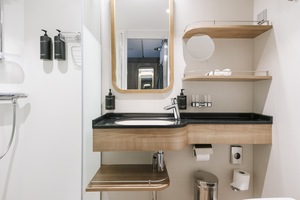
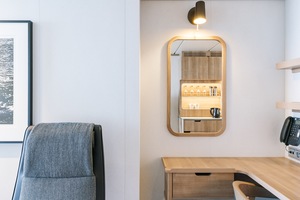
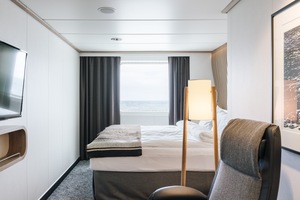
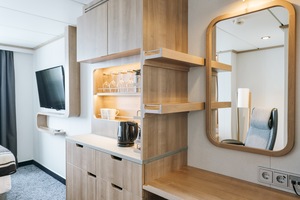
Polar Outside | Outside cabin - Lower/middle decks
204–247 sqft · Up to 4 guests
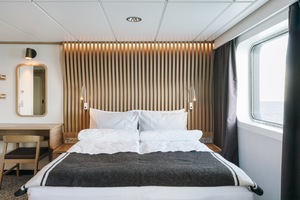
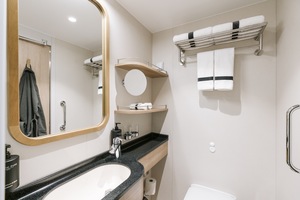
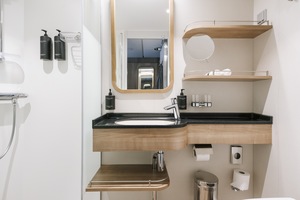
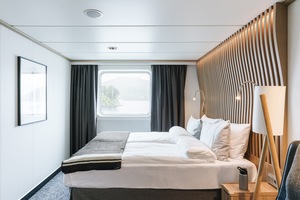
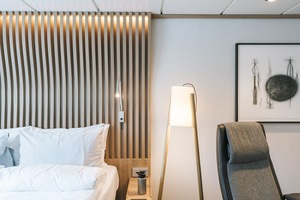
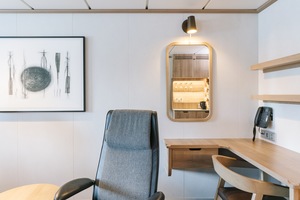
Arctic Superior | Outside cabin - Lower/middle decks
290 sqft · Up to 2 guests

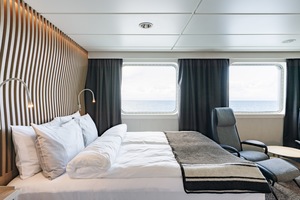
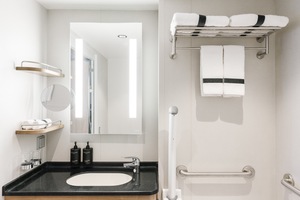
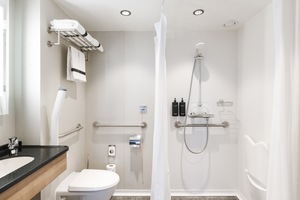
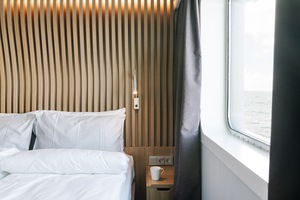
Arctic Superior | Outside cabin - Middle deck
236 sqft · Up to 2 guests
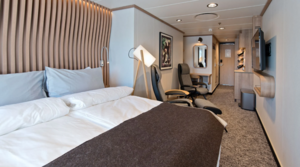
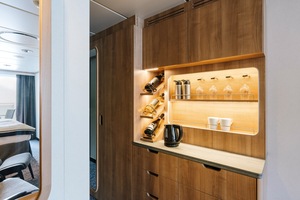
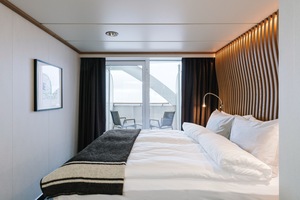
Arctic Superior | Outside cabin - With balcony
194 sqft · Up to 2 guests
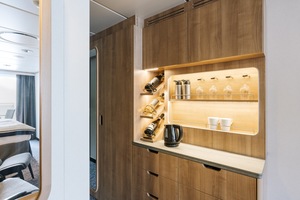
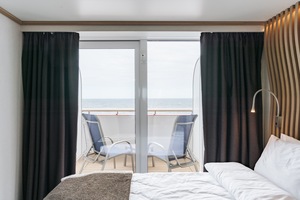
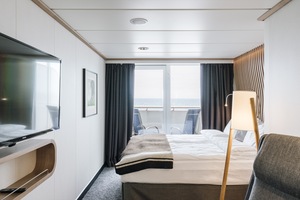
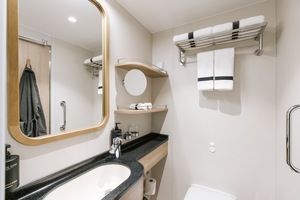
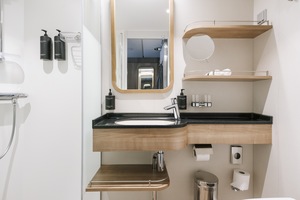
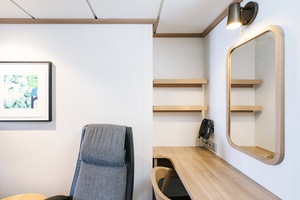
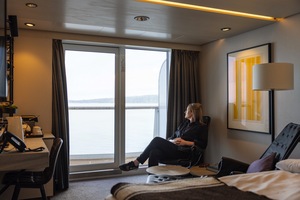
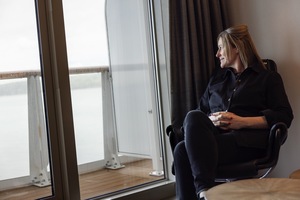
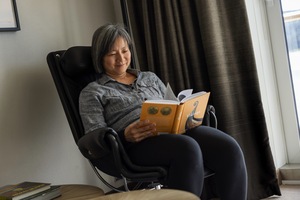
Arctic Superior | Outside cabin - Upper deck
193 sqft · Up to 4 guests
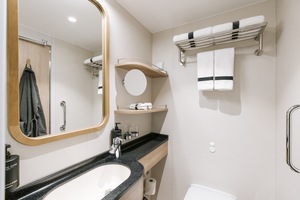
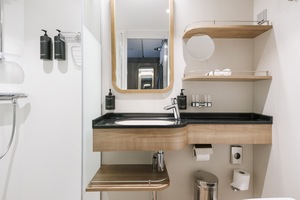
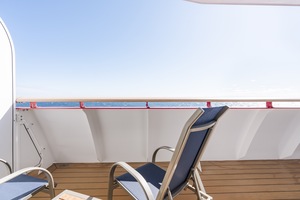
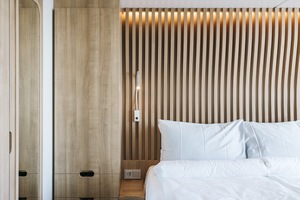
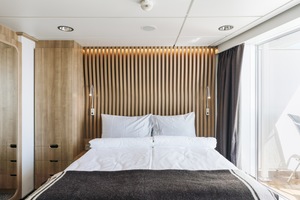
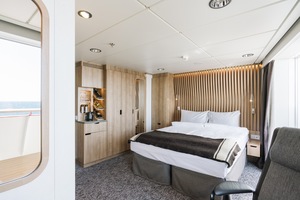
Arctic Superior | Outside cabin - Upper deck
161–204 sqft · Up to 2 guests
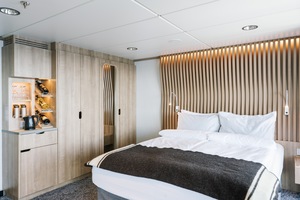
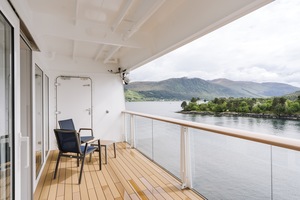
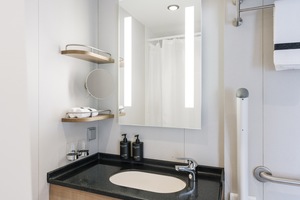
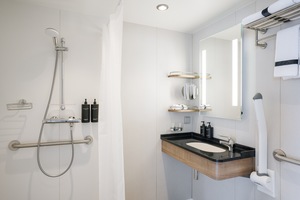
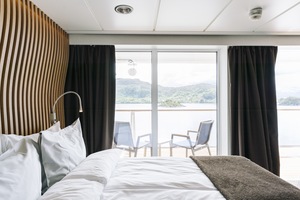
Arctic Superior | Wheelchair-accessible outside cabin with balcony
204 sqft · Up to 4 guests
Suite
| Cabin | Grade | Per Person | Avail. | |
|---|---|---|---|---|
| Expedition Suite | Suite - With balcony · 236–301 sqft | ME Suite with Balcony | Enquire → | ||
| Expedition Suite | XL Suite · 474 sqft | MB XL Corner Suite | Enquire → | ||
| Expedition Suite | Corner Suite · 215–322 sqft | MC Expedition Suite | Enquire → | ||
| Expedition Suite | XL Suite - With balcony · 495–516 sqft | MA XL Corner Suite with Private Balcony | Enquire → |
Oceanview
| Cabin | Grade | Per Person | Avail. | |
|---|---|---|---|---|
| Polar Outside | Outside cabin - Lower/middle decks · 204–247 sqft | RR Polar Outside Cabin | Enquire → | ||
| Arctic Superior | Outside cabin - Lower/middle decks · 290 sqft | TT Large Arctic Superior Cabin | Enquire → | ||
| Arctic Superior | Outside cabin - Middle deck · 236 sqft | TY Arctic Superior Cabin (wheelchair-accessible) | Enquire → | ||
| Arctic Superior | Outside cabin - With balcony · 194 sqft | XTJ Arctic Superior with Balcony | Enquire → | ||
| Arctic Superior | Outside cabin - Upper deck · 193 sqft | XT Arctic Superior Cabin with Balcony (quad) | Enquire → | ||
| Arctic Superior | Outside cabin - Upper deck · 161–204 sqft | XTD Arctic Superior Cabin with Balcony | Enquire → | ||
| Arctic Superior | Wheelchair-accessible outside cabin with balcony · 204 sqft | XY Arctic Superior with Balcony (wheelchair-accessible) | Enquire → |
More Departures
8 nights
In Darwin’s Footsteps (Eastern Route)
9 Sep 2026
Solo From
£8,323
From
£5,904
12 nights
The Ultimate Fjord and National Park Expedition
9 Sep 2026
Solo From
£10,419
From
£6,129
15 nights
Galápagos Islands - Nine of the Best Isles Plus Machu Picchu
10 Sep 2026
Solo From
£13,264
From
£9,717
10 nights
Galápagos Islands - Nine of the Best Isles
15 Sep 2026
Solo From
£10,188
From
£7,147
13 nights
Galápagos Islands – In Darwin’s Footsteps Plus Machu Picchu
18 Sep 2026
Solo From
£10,534
From
£7,897
17 nights
Greenland, Labrador and Newfoundland – Encounters at the Edge (2026)
20 Sep 2026
Solo From
£11,172
From
£7,801
Your Ship
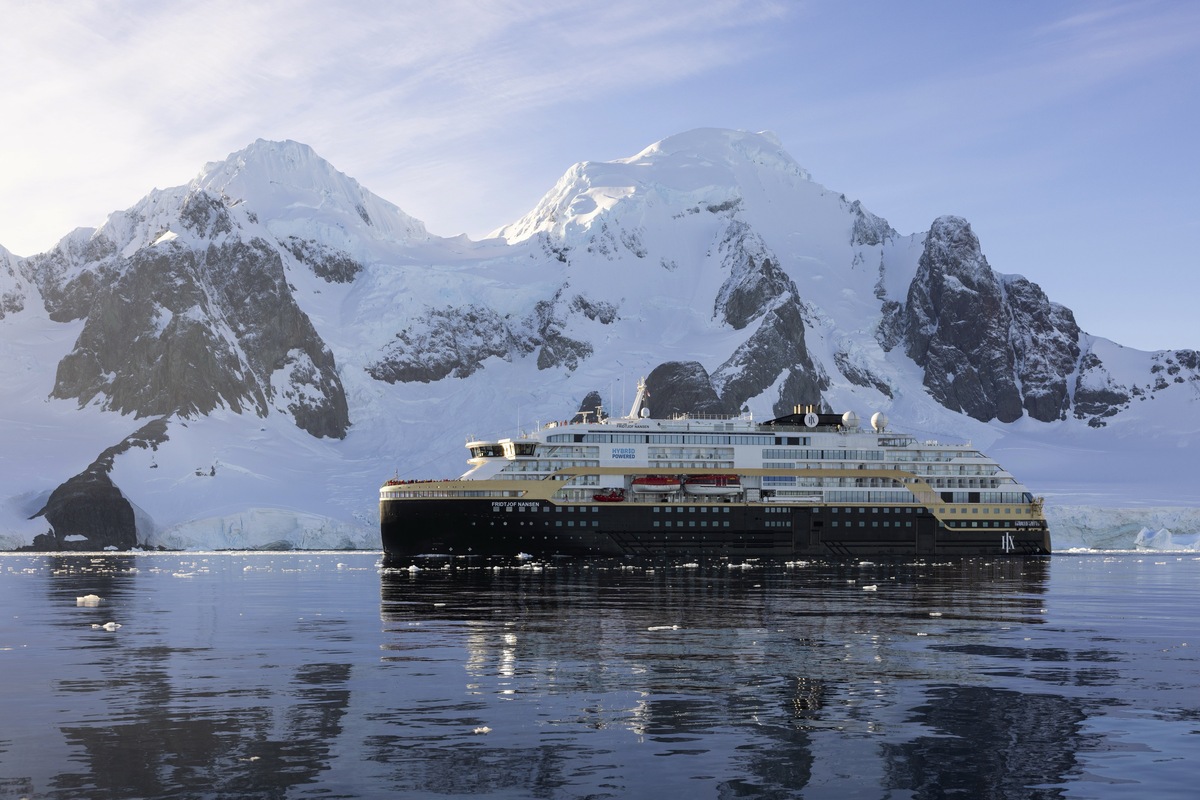
MS Fridtjof Nansen
The newest addition to our fleet will honor the heritage of her namesake – the Norwegian explorer, scientist, humanitarian, and Nobel Peace Prize laureate Fridtjof Nansen. Known for his innovations in Arctic expeditions, Nansen led the first crossing of Greenland on cross-country skis. He is perhaps most famous for his attempt to reach the geographical North Pole during the Fram Expedition (1893-1896).
